
Tracing Chesterfield County Former Owners
Online research has a clean starting point. The Circuit Court Clerk indexes deeds from 1967 forward. Permanent land and court holdings go back to 1749. Between those dates sits the older era. The county publishes no book-by-book deed catalog, so reaching the earliest volumes may call for Record Room help or an archival lead rather than a quick web search.
| Source | Years It Covers | Where Held | What It Shows |
|---|---|---|---|
| CCC land-record index | 1967-current for deeds | Free public online index | Name-based recorded deed leads. |
| Clerk's permanent land holdings | 1749-current | Record Room and Clerk channels | Older deed books and court records. |
| Recorded subdivision plats | Start year not published | Circuit Court Clerk | Lot, block, easement and subdivision context. |
| Local history collections | Exact directory years not published | Central Library and Historical Society | Directories, maps, microfilm and family context. |
Start with CCC Land Records for any transfer in the online period. The CCC Land Records entry is the index start. Bring grantor and grantee spellings, since results run by party name. Older deeds need the Record Room. Ask which historic book or index covers your era. The Central Library and the Chesterfield Historical Society add directories, family material, and useful leads for identifying a person or address. None of that replaces a recorded deed as proof of the transfer.
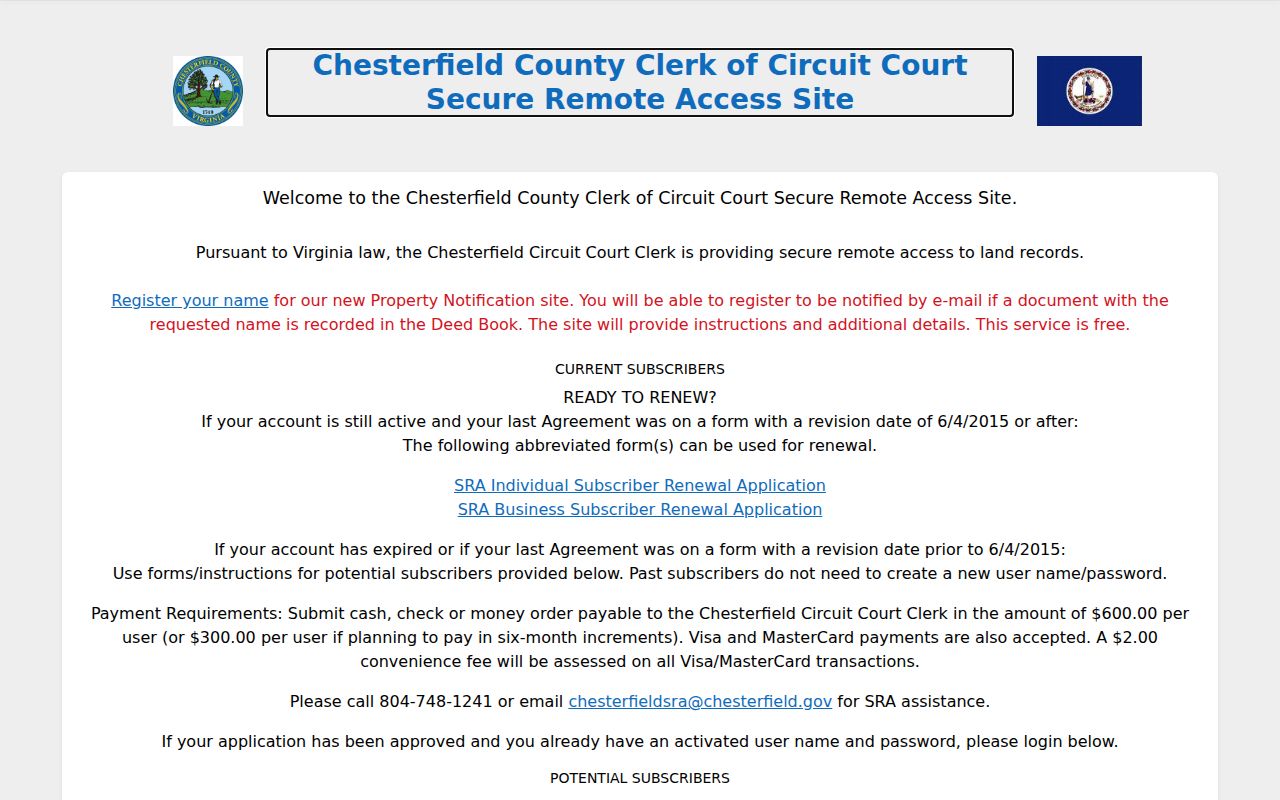
The index only points to recorded parties. Open the instrument itself to confirm the dates, the land description, and the next name in the chain.
Chesterfield County's 1967 Online Cutoff
Online deed coverage begins in 1967. That date is an access cutoff, nothing more. Permanent land and court records in Chesterfield County reach back to 1749, as the Clerk notes. A chain may dead-end in the online index. It may continue in older books the county still holds. Neither date marks the true start of ownership. Keep both in mind when tracing an old house, a subdivision, or a rural tract. Resist easy explanations for a gap. The county cites no courthouse fire or record-loss event. So a missing deed should never be blamed on an imagined disaster. The index reaches back to a year; the records office keeps the longer story.
Walking the Chesterfield Deed Chain Backward
Every deed chain is just a sequence of recorded transfers. The grantee on today's instrument was probably the grantor on the next earlier one. Work backward that way, transfer by transfer. Chesterfield's index runs on names. Log each party, recording reference, and legal description rather than trusting a street search.
- Find the current deed and note its grantee, grantor, tax ID and legal description.
- Search the grantor as a grantee to find that party's acquisition.
- Compare the land description at each transfer and note the date and record reference.
- At the online cutoff, ask the Record Room for the earlier deed-book path.
- Grantor
- The party named as conveying an interest in an instrument.
- Grantee
- The party named as receiving that interest.
- Chain of title
- The sequence of instruments used to trace past recorded transfers.
- Legal description
- The written land description, which can persist when a street label changes.
Virginia puts real rules on the first page of a deed. The 15-digit tax ID must appear there. The consideration paid must also appear there, or the stated exemption from that disclosure. Those fields can link old deeds to modern parcels. That ID is not a map reference. The Clerk also refuses any instrument containing a Social Security number. If a deed image is hard to read, request a copy from the Record Room. Give the party names, document type, and approximate date. A clerk can help locate an index reference. Legal opinions about the chain, though, stay outside the office's role.
Chesterfield County Plats and Lot Changes
A subdivision plat often explains a description built on lot and block instead of a modern street address. The Circuit Court Clerk holds the official recorded plat. An assessor subdivision copy is informational only. A deed may cite a plat, yet an unrecorded survey can still sit in private closing papers. Compare the recorded lot description with the parcel's tax ID as the chain moves backward.
The county publishes no street-renumbering project or digit-by-digit tax-ID map. When an old deed predates street numbers, lean on grantor and grantee names, legal calls, and the cited plat. Guessing from today's address leads astray. The Clerk's land-record instructions identify the official plat source. The Real Property Office does no boundary work.
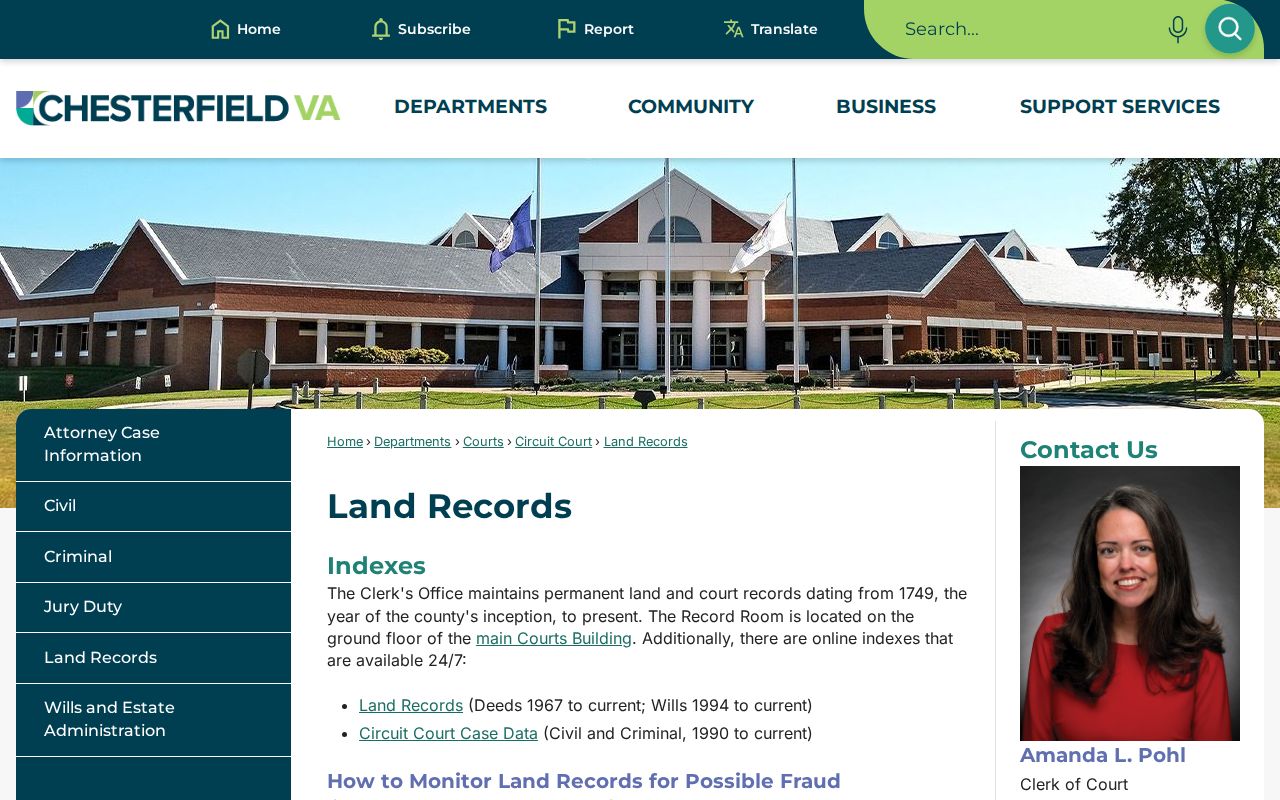
A recorded plat ties lot and block references to the subdivision layout. It is no substitute for a modern boundary survey.
Chesterfield County Estate Transfers
An estate can move a parcel through several instruments. Executor deeds, administrator deeds, fiduciary deeds, probate orders, partitions and court-authorized sales all appear in Chesterfield County land records. The Clerk's Probate Division administers wills and estates. Before trusting an estate deed, match it against the probate file. Then confirm the tax ID and legal description line up.
Death certificates sit with Virginia's Office of Vital Records. A death record becomes public 25 years after the event. Current restricted copies need a written application, acceptable ID and payment. Older material survives on microfilm from 1853 through 1896, available through the Library of Virginia. The Virginia genealogy page describes that historic microfilm.
Virginia's access rules vary by record type. Birth records generally open after 100 years. Death, marriage and divorce records open after 25. The Library of Virginia's free microfilm also covers marriages before 1936. These files can anchor a family timeline around an estate transfer. They cannot prove an heir received a particular parcel. For that link, read the probate file and the recorded deed. That is where the chain of title actually lives.
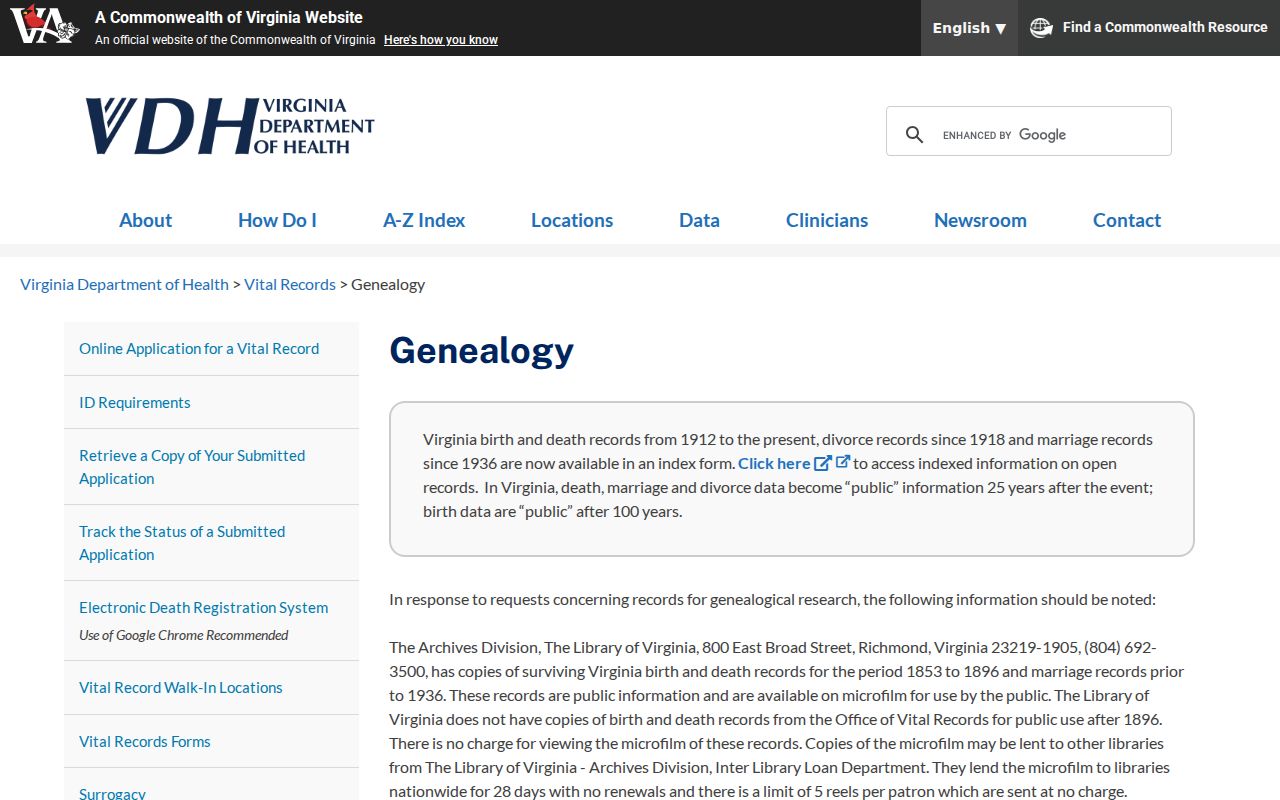
Vital records build the family timeline. They never replace the executor deed or probate order as proof of the transfer. For ownership, the recorded deed and probate file in Chesterfield County remain the evidence that counts.
Chesterfield County Local History Collections
The Central Library's Local History Collection gathers city and county directories and yearbooks. It also holds family genealogies, military records, vital records and microfilm. Ancestry Library works inside library buildings. The library is also a FamilySearch affiliate. Some restricted FamilySearch records open only on site. Chesterfield County did not publish a year-by-year directory run or a named deed-book collection title.
The Chesterfield Historical Society keeps its library at Historic Trinity Church. Manuscripts, vertical files, maps, pictures and genealogy material fill the shelves. These free collections can surface a lead on a name, neighborhood or historic site. But a lead stays a lead. Check it against the Clerk's actual land record. Do this before adding it to a chain of title.
Central Library sits at 7051 Lucy Corr Boulevard in Chesterfield. Record the title and date of any archival item you use. Treat it as a clue for a deed-book or probate search. Do not cite it as proof of ownership.
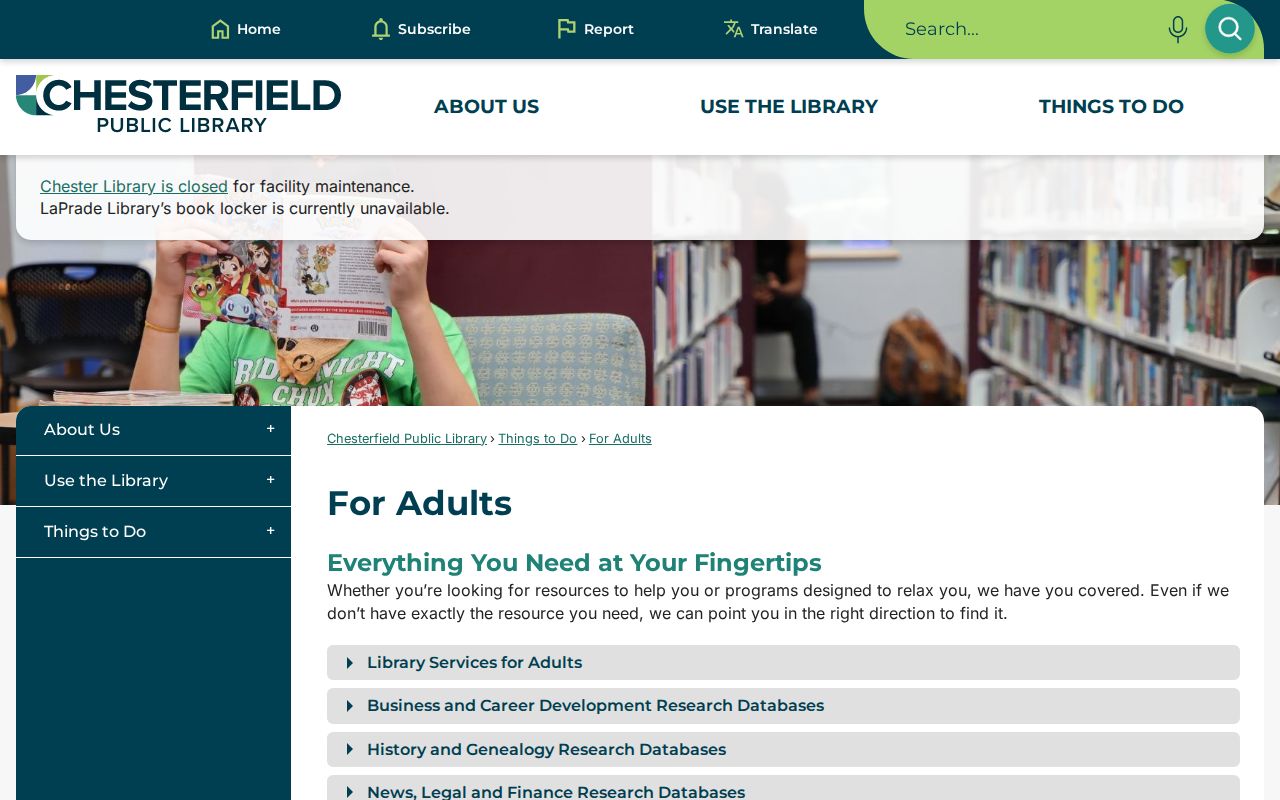
Central's collection works as a research fallback. It adds people-and-place context. It does not certify ownership. The county's history page introduces the local historical collections and the Chesterfield Historical Society resource shown here.
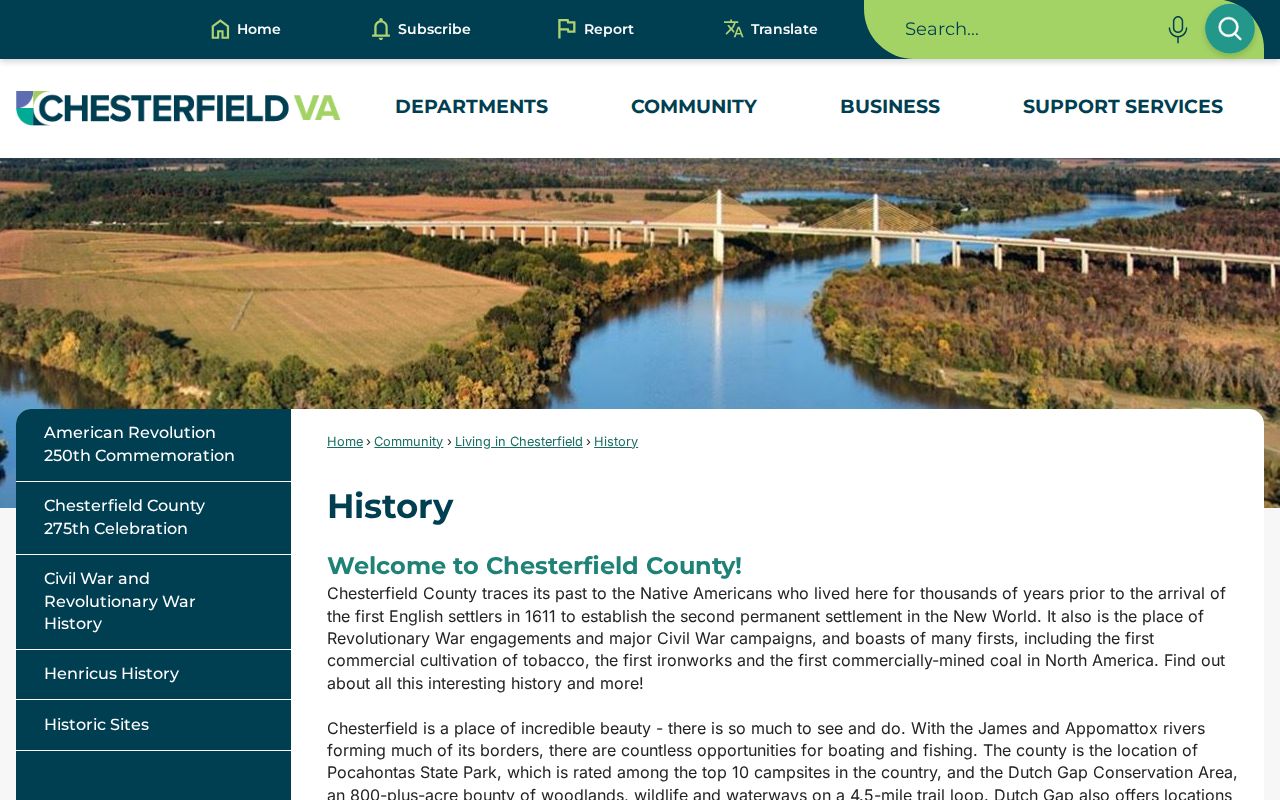
County history material can place a transfer in a local timeline. The Clerk's record remains the proof of a Chesterfield County conveyance. Context helps; title comes from the deed.
Chesterfield County Judicial-Sale Deeds
A judicial tax sale can produce a special-warranty deed later. The process runs under court supervision in Chesterfield County. The owner may redeem up to the sale. A court approves the final transfer. The buyer takes the property as-is, with no title-insurability warranty. Paying delinquent taxes alone creates no ownership and no tax deed.
To trace a possible sale transfer, compare three documents. One is the Treasurer's notice. Another is the Circuit Court case. The third is the recorded deed. The special-warranty instrument often explains a fact. It shows why a later owner of record follows a court case instead of a standard purchase.
Chesterfield County Ownership Record Dates
Chesterfield County dates to 1749. The Clerk's permanent land and court records begin that same year. The first court session authorized a courthouse, a prison and a pillory. County history notes a replica of the original 1750 courthouse opened as a museum in 1980. The current historic courthouse dates to 1917. Those facts frame the local record story. They do not reveal the exact deed-book sequence.
The online deed index starts in 1967. No official source documents a courthouse fire. Nor is there a major deed-book loss or a complete digitization project. When a chain reaches the edge of a catalog, treat that as a research limit. The Clerk or an archive can identify the next volume from there.
Lawful use. Use former-owner research for house history, property diligence and estate work. Do not use a name or address to track, threaten or harass a living person.