
Find a Chesterfield County Property Owner
Chesterfield County makes the path straightforward. Query READ by street address or 15-digit tax ID. An owner name comes back with the parcel result. The county's 2025 assessment report bars online searching by owner name, citing safety, so a name surfaces only as the output of an address or parcel lookup. Treat it as a lead for the Clerk's deed index. It does not prove that the person occupies the property or holds clear title.
That name may belong to a trust or LLC. Names also repeat across the county. When an entity owns the land, matching the tax ID and legal description keeps the search tied to one Chesterfield County parcel.
- Search READ by the situs address or complete tax ID and copy the owner name.
- Search the Clerk's land-record index by that party name in both grantor and grantee roles.
- Read the newest deed and compare its tax ID and legal description with the assessment result.
- If the grantee is an entity, check the Virginia SCC record for its filing identity.
Chesterfield County Owner of Record
Run a public READ search by address or tax ID. An owner name appears in the result. That name is an assessment-roll field, not the product of an owner-name search. Chesterfield County's annual assessment system also lists the property address. It adds the legal description, assessed value, and improvements.
A mailing address may differ from the situs address. The official route to the current roll is the county READ page. Record the parcel identifier beside the name. That number keeps a later deed-index search anchored to the right parcel.
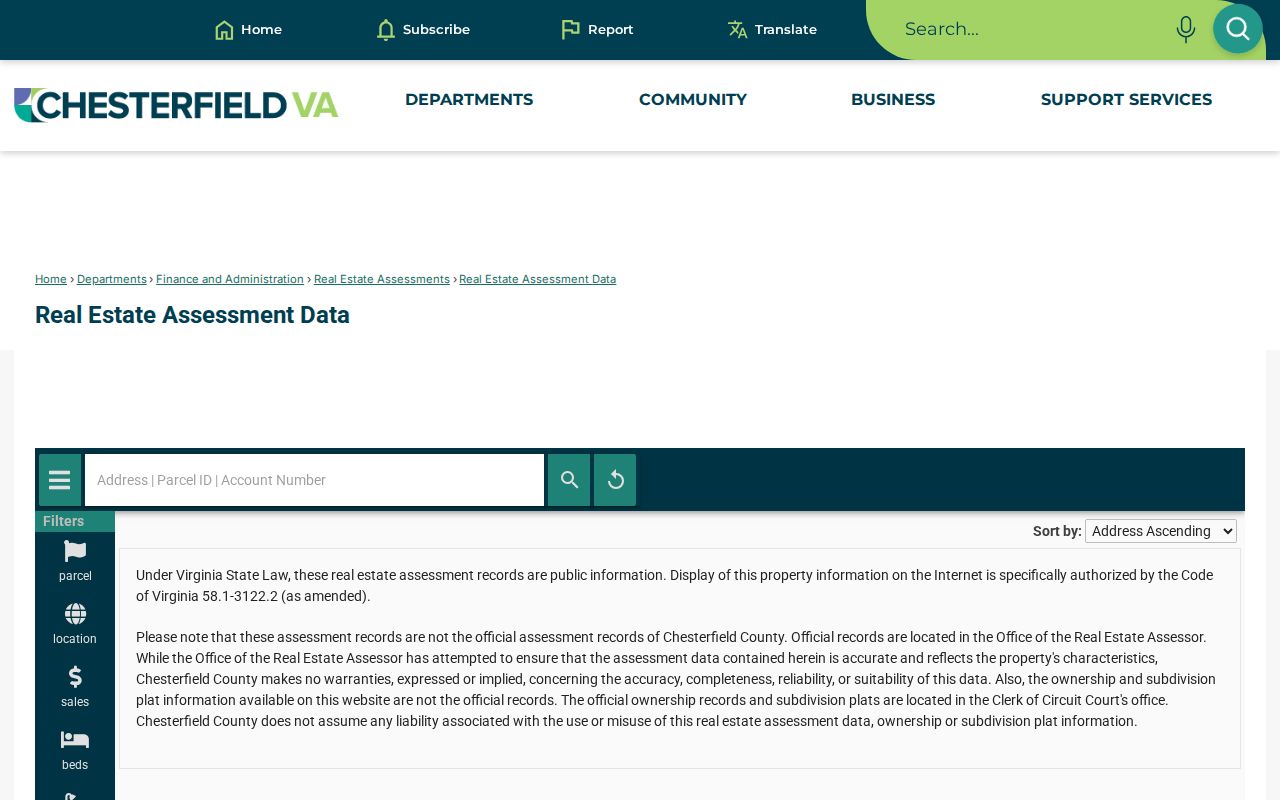
The county's search screen is the address-to-owner starting point for Chesterfield County. It shows no occupant and settles no title questions on its own.
Where Chesterfield County Ownership Appears
Ownership surfaces in several Chesterfield County sources. READ returns the assessor's owner-of-record field after an address or tax-ID query. The Circuit Court Clerk's deed index is organized by name and lists parties to recorded instruments. GIS places each parcel on a map. The Treasurer's account shows tax bills, not legal transfers. A Virginia SCC entity search can identify a company named as grantee, though it cannot prove who owns the real estate apart from the deed.
| Source | Owner Info It Gives | Access |
|---|---|---|
| READ assessment result | Owner name, address, legal description, value and improvements are county-described fields. | Address or 15-digit tax-ID search. |
| CCC deed index | Recorded parties and transfer instruments; the index is name based. | Free index; copy from the Clerk. |
| Virginia SCC CIS | Entity filings and registered business information for a named LLC or corporation. | Public entity search. |
| Parcel Viewer | Parcel geometry, subdivision, school and district context. | Public map; reference use. |
The assessment roll names an owner of record. It does not show who lives there. It does not reveal who manages the land or who may enter a Chesterfield County parcel. Mailing and situs addresses can differ. A postal address is not an occupancy record.
Names in an index must be read by role. A grantee receives an interest. A grantor transfers one. A deed of trust names a borrower and lender, not a seller. A lien or judgment can name a debtor without making that person the owner. Weigh the document type, recording date, and legal description together before deciding what a name means. When the record points to a company, the Virginia SCC search confirms the entity filing. It cannot turn the registered agent into the parcel owner or expose a separate transfer.
Confirming a Chesterfield County Deed
Deeds settle the question when ownership looks uncertain. Chesterfield County indexes land records by grantor and grantee names rather than by address. Start by searching the assessment's owner as a party. The instrument then shows the other party, its recording reference, the consideration, and the land description. Fields vary, so confirm what a result actually displays before relying on it. The online deed index reaches back to 1967. The Clerk's permanent holdings go much further, to 1749. A freshly recorded deed can also beat the annual assessment roll, which updates on no fixed schedule for the owner field. Deeds, plats, and wills are processed daily. Common names need extra care. Use the person's role on the deed plus the parcel's identifiers to narrow the match. One person can grant one tract and receive another. A deed of trust or lien may list parties who hold no ownership at all. The recorded deed's date and legal description tie the evidence to a specific tract. For older books or paper copies, ask the Record Room for an index reference. Staff will help locate records. They will not offer a title opinion. The Record Room sits at 9500 Courthouse Road. It opens at 8 a.m. and closes at 4 p.m., with land-record recording ending at 3:30 p.m. Copies run $0.50 per page. Certification adds $2 per document. A phone request adds $2 for processing plus postage. Give staff the party names, document type, and approximate date so they can route it. Before trusting a name match, compare the deed's full legal description and 15-digit tax ID to the READ parcel.
Chesterfield County LLC and Trust Owners
Not every Chesterfield County deed names a person. The owner of record may be an LLC, a corporation, a trust, or an estate. The assessment's owner field can be entirely accurate. It may still say nothing about who manages or benefits from the entity. Virginia's SCC Clerk's Information System lets you search entities by name. The same system covers UCC and federal tax-lien filings by debtor name or file number. Entity filings give business context; the deed remains the true record of the real-property transfer. Just never assume a registered agent lives at the parcel or owns it personally.
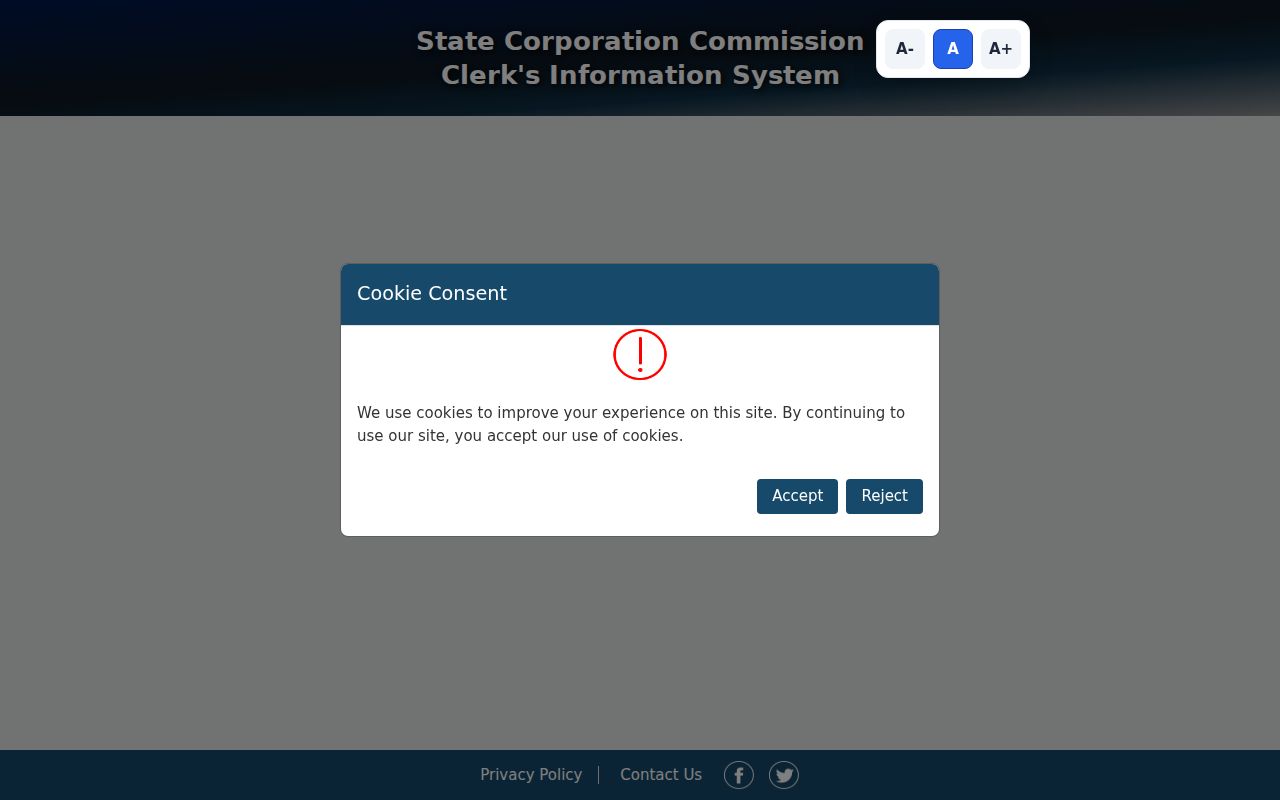
That state search also helps separate a business name from a personal one. It stands apart from the deed book as its own source.
Chesterfield County Situs and Mailing Address
Two different addresses follow a Chesterfield County parcel. A situs address shows where the land sits. A mailing address routes tax bills and other correspondence. Chesterfield's rural and suburban addressing system uses place labels. Those labels may not match any legal locality. The county ZIP map covers Midlothian, Chester, Moseley, North Chesterfield, and other postal labels. It warns that ZIPs are not legal boundaries. To reconcile an address across READ, the GIS map, and the deed, rely on the tax ID and legal description. A tax mailing address proves nothing about residence. A ZIP tied to an independent city never makes a parcel a city record.
Chesterfield County Owner Alerts
Virginia Property Notification sends free email alerts. Alerts go out when covered land documents are recorded against a registered name or parcel number. An owner can catch a new deed or deed of trust quickly this way. The Clerk must record any instrument meeting legal standards. The Clerk cannot verify that the true owner signed. So treat an alert as a prompt to inspect the filing, not a fraud ruling. Enroll through the Property Notification service. If an alert surprises you, request the document. Then contact the Record Room or a real-estate attorney.
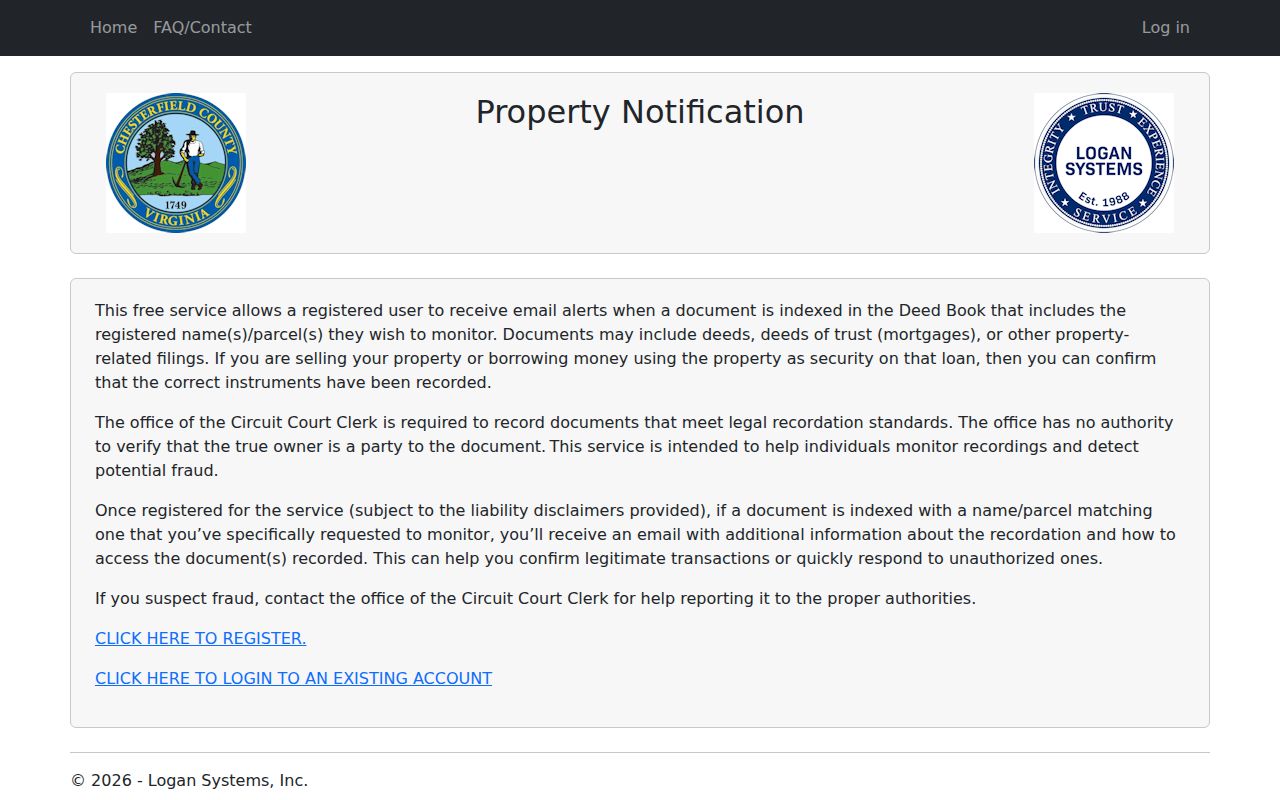
Alerts provide monitoring, while the filed instrument supplies the record that needs review.
What a Chesterfield Owner Search Cannot Prove
A Chesterfield County owner lookup surfaces public records, not the people living at an address. Virginia's Address Confidentiality Program gives eligible participants a substitute address and mail forwarding, though the county has not promised blanket suppression of recorded deeds. Ask each custodian how protected records are handled. Even a clean owner-and-parcel result is no title opinion.
Lawful use. Use Chesterfield County ownership records for property diligence, civic work and house history. Do not use personal information to stalk, threaten or harass anyone.